Services Offered
Feet
 Nail Cutting: Nails protect the underlying nail bed from injury, if left uncut they can become damaged and problematic. I can help to keep them healthy.
Diabetic Feet: It is vital that patients with diabetes are seen regularly as they are more prone to serious foot issues. I can provide care or a referral if necessary.
Corns: A cone shaped build up of skin which can become painful and lead to complications such as ulcers. Can impact your gait.
Ingrown Toenail: Ingrown toe nails can be due to poorly fitting shoes or poor nail cutting. They often cause pain due to infection/swelling.
Fungal Nail: Often appears as an unsightly, thickened and discoloured nail. I can offer a treatment plan to tackle this embarrassing condition.
Callus: Thickened skin that has built up as a result of friction and / or pressure. If left untreated, can cause much discomfort.
Cracked Heel/Hard Skin: I can help to treat and prevent hard skin, cracked heels and painful fissures that can develop. I use balms and creams if appropriate.
Athletes Foot: A fungal skin condition that often presents as inflamed, irritated areas normally between toes and on the soles. I provide treatment and advice.
Thickened Nails: Disease and trauma can cause of nails to become thickened which make them difficult for you to cut. We provide painless nail cutting, treatment and on going advice.
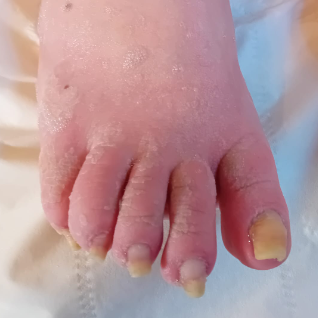 Athletes Foot
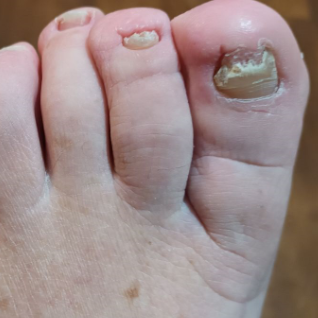 Damaged Nail
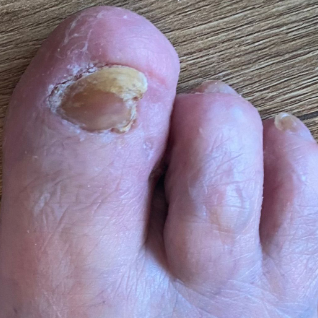 Fungal Nail Infection
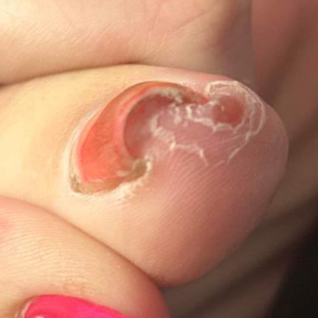 Ingrown Toenail
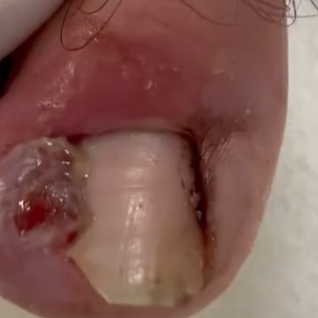 Infected Ingrown Toenail
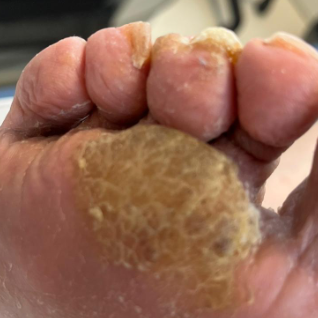 Hard Skin and Verrucas
Ears

Prior to ear appointment
Use of Earol (available from most chemists or online) is recommended for a minimum of 5 days prior to your appointment. Follow the instructions on the pack, keep at room temperature, and do not heat the oil as this can cause trauma to the ear.Ear drops are best applied whilst lying down, head resting on one pillow, with the treating ear uppermost. You need to lay for a minimum of five minutes either side to allow the oil to travel down the ear canal and penetrate the hardened wax to evenly soften it.
After a minimum of five minutes, sit up slowly as not to cause dizziness and wipe away any surplus solution from the outer ear with a clean tissue, cloth, paper towel or towel. Do not put cotton wool into the ear canal as this will absorb the oil preventing it from working.
The use of cotton buds, hair pins, biro lids or keys is to be avoided as this could cause damage to the ear canal or infection.
Allow five minutes each side at least twice a day for a minimum of five to seven days, the softer the wax the easier it will be to remove.
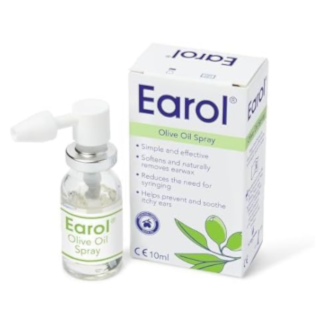 Earol
Earol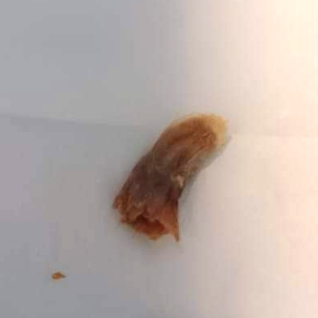 Ear Wax
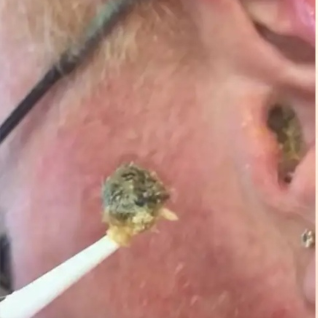 Ear Wax
Water irrigation
Ear irrigation is the removal of wax from the ear using water via an electronic irrigator - a pro plus machine.This is a safe process, although it’s not uncommon to experience some dizziness or redness inside the ear after the procedure.
You will be asked to sit upright with a towel covering your shoulder and using your opposite hand to the ear I am working on hold a metal cup just under your ear lobe.
The ear is gently pulled upwards and backwards to allow the irrigator to enter the ear easily and, once in position, you will feel the warm water entering the ear.
The water will help the ear wax separate from the ear and drain out into the cup.
Cryotherapy
 Cryotherapy is the use of freezing to remove abnormal tissues.
Warts
I use a cryolQ derm device, which uses nitrous oxide to reduce the temperature to -80 °C/-112 °F and to a depth of 3 mm, to freeze the area of skin tags and warts. Warts are caused by an underlying HPV infection and even after removal these may re-appear in the same or a different location on your body.The area is cleaned and the top layer of the wart is removed using a scalpel and then the pen is applied to the affected area for 10-20 seconds to freeze it. Blisters may appear around the wart within a 24 hour period after treatment, and the wart may require two or three treatments before this is removed. Warts may heal and the regrow.
Skin Tags
The area is cleaned and tweezers are used to hold the area. The pen is then applied using a forward and backward movement around the skin tag with the applicator being held very close to the skin tag for up to 30 seconds at a time.The treated area may sting for a while and may scab, and 2 or 3 treatments may be required before the skin tag falls off.
After treatment it is advised to keep the area dry and clean for three days. If there is pain and friction a small dressing maybe required.
A follow up appointment for 2 weeks after the initial procedure is recommended.